Daric's specialized articles and analyses
A strategic analysis of the shifting balance of power in the Middle East between June and October 2026. The synergy between CENTCOM’s integrated air defense and the unprecedented collapse of the Rial has neutralized the hardliners' "Vietnamization" scenario, compelling Tehran toward a sustainable agreement and clearing the path for Washington’s grand pivot to the Indo-Pacific.
A structural analysis of Iran’s cybersecurity market reveals a profound divergence from the markets of the Gulf Cooperation Council (GCC); while geopolitical pressures and the "sanctions premium" have driven demand toward forced localization, the concurrent crises of brain drain and state monopoly have stifled qualitative development and the maturation of the private sector.
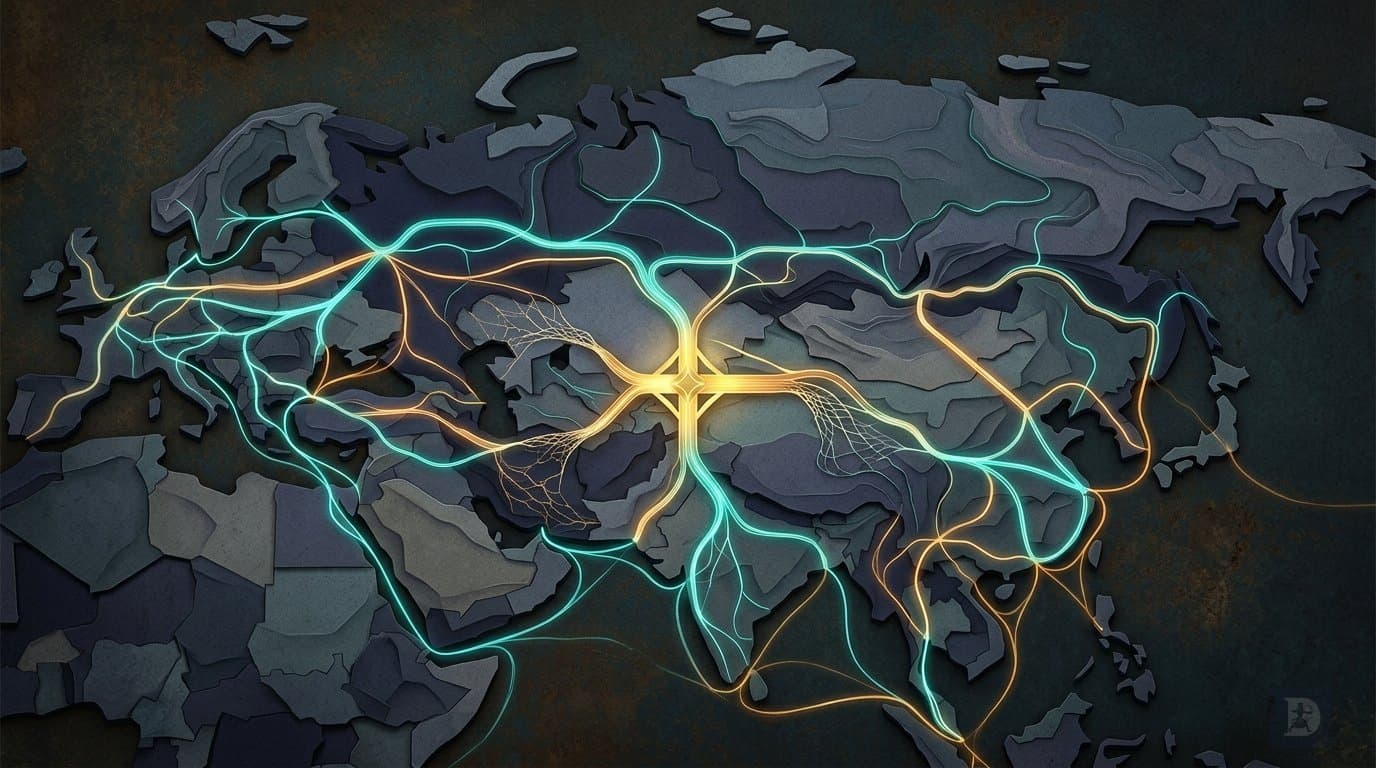
As we enter the second half of 1405 [2026], the collapse of the unipolar order and the acceleration of deglobalization have placed Iran in an unprecedented geostrategic position. This structured analysis examines key variables—such as the International North-South Transport Corridor (INSTC), severe energy imbalances, parallel financial flows, and the challenge of succession—to map the scenarios facing the Iranian economy through the 1410 [2031] horizon.
In a landscape where traditional capital havens like real estate and gold are grappling with liquidity crises and negative real returns, the Tehran Stock Exchange—driven by mechanisms of forced integration, liquidity rotation spurred by government stimulus packages, and the transition toward a "New Emirates" paradigm—is poised to become the most efficient platform for capturing asymmetric returns.
With the decline of the rial's competitive advantage against the Turkish lira, Iran is undergoing a structural transition from an inward-looking industrial economy to an advanced consumer market and transit hub, mirroring the United Arab Emirates model. This report analyzes this geoeconomic transformation and outlines adaptation strategies for Iranian investors, businesses, and the workforce.
بررسی پیامدهای سناریوی فرضی توافق پایدار میان تهران و واشنگتن و سقوط ناگهانی نرخ دلار به کانال ۹۰ تا ۱۰۰ هزار تومان؛ این تحلیل نشان میدهد چگونه یک گشایش ژئوپلیتیک ناگهانی بدون اصلاحات نهادی، به جای ثبات، به رکود ترازنامهای، فروپاشی بخش بانکی و نابودی صنایع داخلی منجر میشود.
This analysis explores global macroeconomic scenarios between 2025 and 2030, including the bursting of the U.S. tech bubble and the transition toward physical assets, while examining Iran’s geoeconomic position as a transit and energy hub within the emerging Eurasian structure.
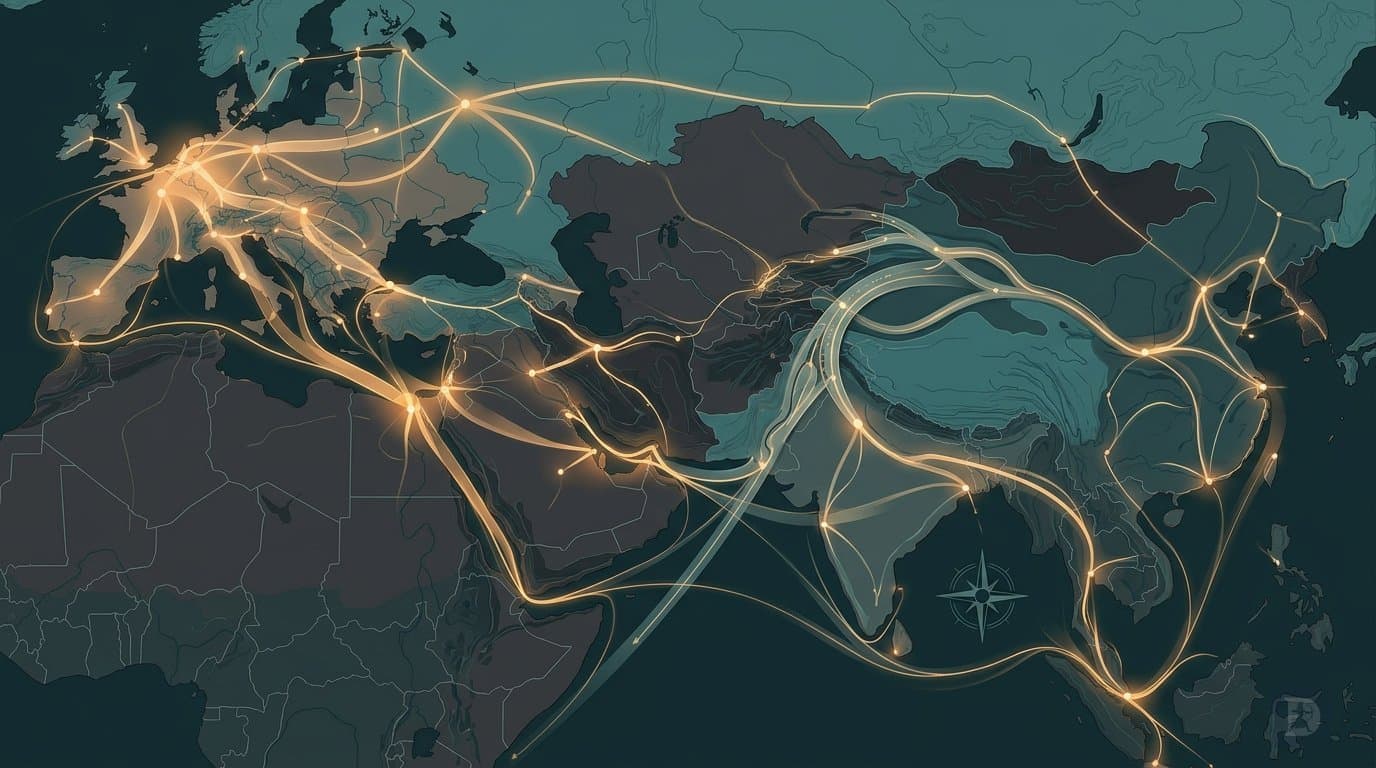
A structural analysis of the erosive tensions in the Middle East reveals that current geopolitical conflicts, far from being mere security crises, are part of a geoeconomic master plan to redefine global trade routes, contain Chinese influence, and prepare the region for the long-term influx of Western capital.
An examination of the Iranian new-generation workforce's accelerated transition toward the digital shadow economy, their flight from rial-denominated wages, and their refuge in cryptocurrencies—a shift that poses a fundamental challenge to the state’s tax capacity and macroeconomic measurement tools.
With the decline of the era of mechanical computation and the rise of agentic AI systems, the bottleneck in artificial intelligence development has shifted from code generation to cognitive modeling—a transformation that has sharply increased the demand for experts in cognitive science, philosophy, and psychology.
An in-depth examination of the demographic and credit mechanisms driving global and Iranian housing markets toward a structural contraction. This analysis illustrates how the liquidity crisis paves the way for the consolidation of physical assets by sovereign entities.
A temporary closure of the Strait of Hormuz due to military tensions, beyond triggering an energy shock, has plunged the petrochemical value chain and downstream industries, such as pharmaceuticals, into a severe crisis. This article provides a statistical analysis of this structural disruption, the shifting trade balance of China, and the emergence of alternative bio-based pathways.