Daric's specialized articles and analyses
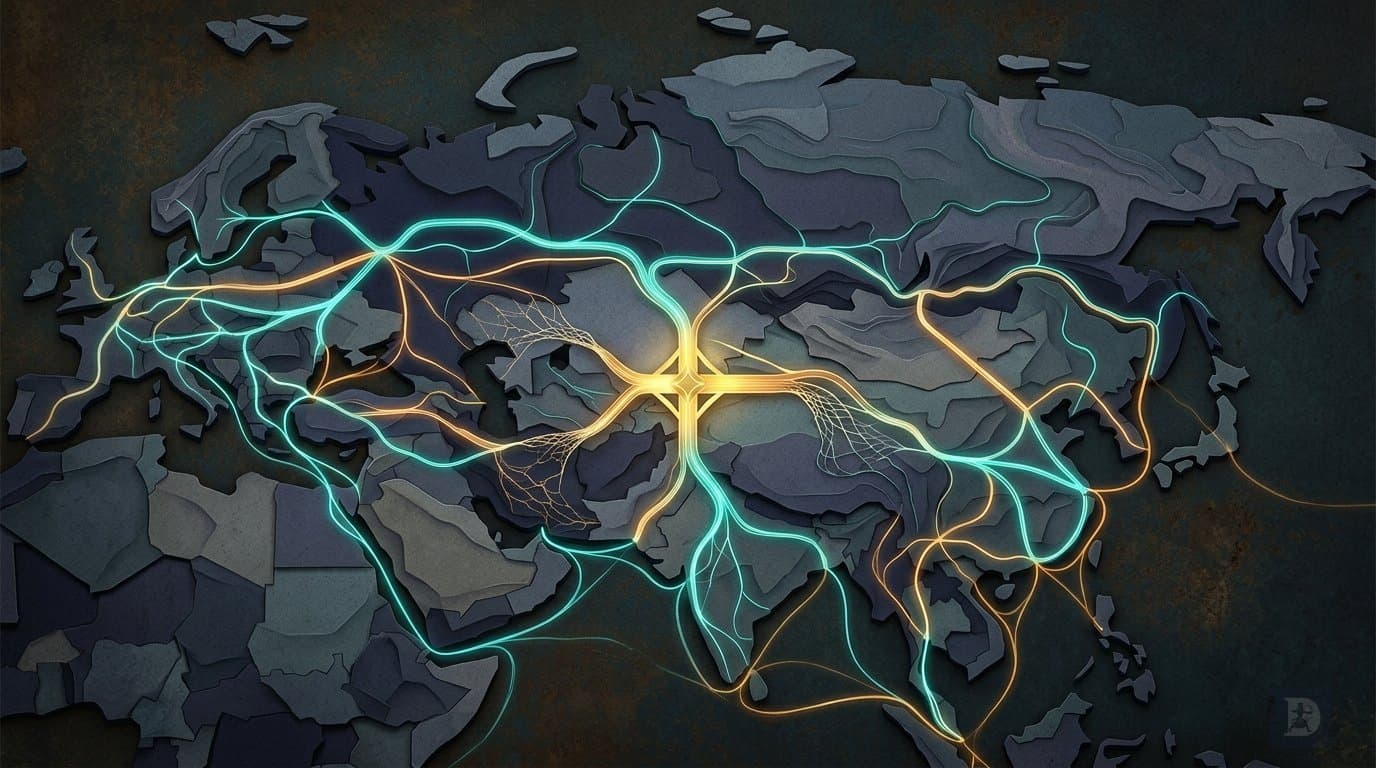
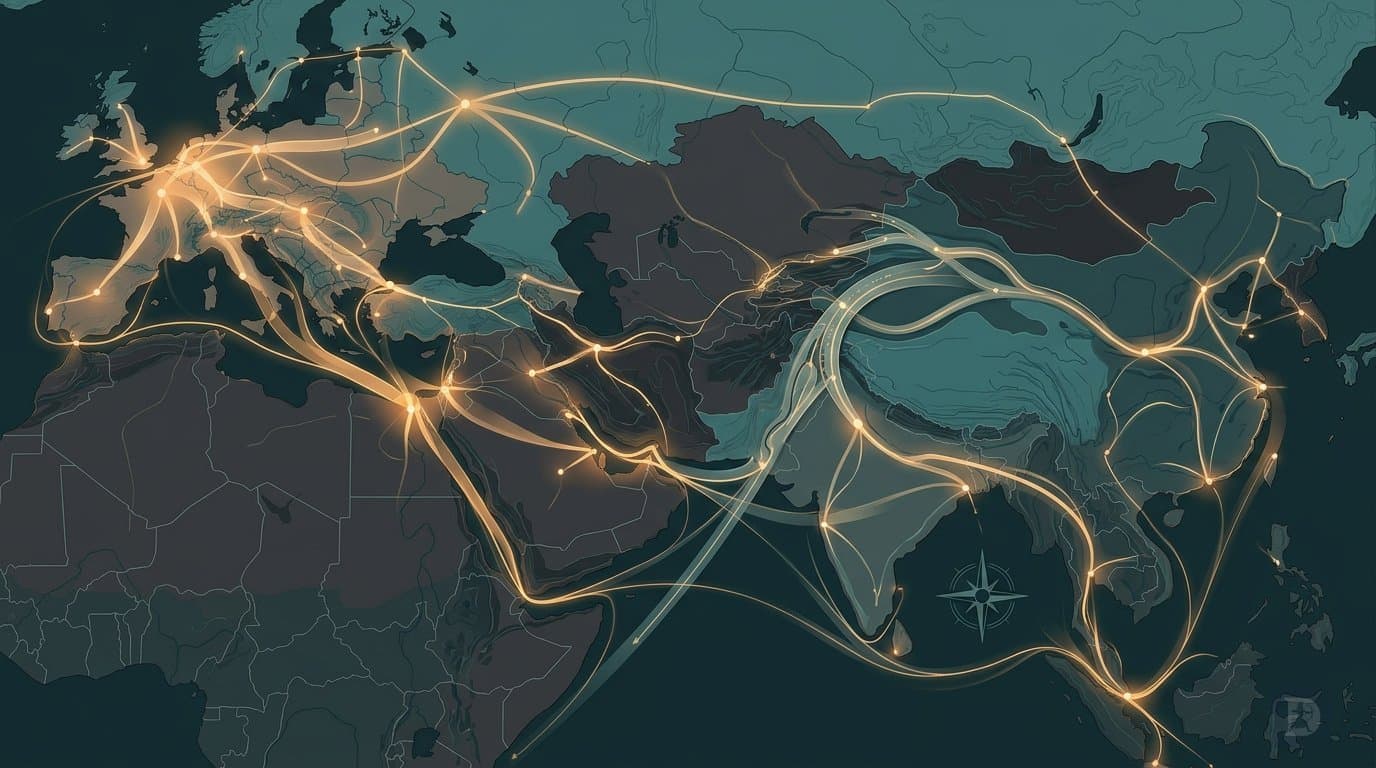
As we enter the second half of 1405 [2026], the collapse of the unipolar order and the acceleration of deglobalization have placed Iran in an unprecedented geostrategic position. This structured analysis examines key variables—such as the International North-South Transport Corridor (INSTC), severe energy imbalances, parallel financial flows, and the challenge of succession—to map the scenarios facing the Iranian economy through the 1410 [2031] horizon.
With the decline of the rial's competitive advantage against the Turkish lira, Iran is undergoing a structural transition from an inward-looking industrial economy to an advanced consumer market and transit hub, mirroring the United Arab Emirates model. This report analyzes this geoeconomic transformation and outlines adaptation strategies for Iranian investors, businesses, and the workforce.
This analysis explores global macroeconomic scenarios between 2025 and 2030, including the bursting of the U.S. tech bubble and the transition toward physical assets, while examining Iran’s geoeconomic position as a transit and energy hub within the emerging Eurasian structure.
An in-depth examination of the demographic and credit mechanisms driving global and Iranian housing markets toward a structural contraction. This analysis illustrates how the liquidity crisis paves the way for the consolidation of physical assets by sovereign entities.
As the competitive advantage of closed, high-cost models wanes, the enterprise AI landscape is shifting toward open-source models and native "orchestration harnesses." This report examines the emerging economy of intelligent agents and the critical importance of data governance in the face of geopolitical constraints.
A comprehensive examination of the intersection between supply-side inflationary shocks, aggressive contractionary policies by the Federal Reserve under the leadership of Kevin Warsh, and the historic competition among tech giants for computing infrastructure and High Bandwidth Memory (HBM). By mapping macroeconomic trends, this article analyzes the role of Decentralized Physical Infrastructure Networks (DePIN) as a pressure relief valve for this hardware crisis.
An analysis of the June 2026 statistics reveals that the global economy is facing a profound structural divergence; while the United States is trapped in the inefficiency of AI-driven automation, China is securing the physical infrastructure of future hegemony through a 60-fold surge in energy storage capacity.
Global financial markets are transitioning from a period of intense concentration in technology stocks toward a broader, multipolar structure. By examining the Federal Reserve’s liquidity doctrine under the potential leadership of Kevin Warsh, the widening divergence in industrial production costs between China and the West, and the ongoing de-dollarization of central bank reserves, this analysis provides a new roadmap for strategic asset allocation.
A comprehensive analysis of the strategic encirclement of Iran through the "Anaconda Strategy" and the volatile paradigm of "managed tension" in 2025-2026. This research maps the structural variables of macroeconomic attrition, the militarization of Tehran’s decision-making apparatus, and the shifting dynamics of regional deterrence.
In an era where artificial intelligence has driven the cost of computation and code generation toward zero, the unemployment rate among physics graduates is on the rise. This article explores how the labor market and the frontiers of science no longer place a premium on a physics degree itself, but are instead starving for the "physicist’s mindset" as the ultimate filter for truth.
A Comprehensive Analysis of Macroeconomic Structural Transformations in 2026; From the Return of Federal Reserve Monetary Ambiguity Under Kevin Warsh and the Capex Super-cycle to the Financial Implications of the Islamabad Accord and Emerging Models of Energy Co-location and Cross-border Processing.
A structured analysis of the transition in AI financing from venture capital markets to global fixed-income markets. This report examines how $500 billion in structured debt is shaping the world's computing infrastructure and the resulting geopolitical and financial risks for the markets.