
Beyond Traditional Housing: The Architecture of Communal Living in Iran’s Megacities
May 31, 2026
Driven by demographic shifts and the financial impossibility of traditional housing for the younger generation, 'Co-living' models are emerging as a strategic necessity. Developers must pivot from large-unit construction to efficient, service-oriented, and communal urban living spaces.
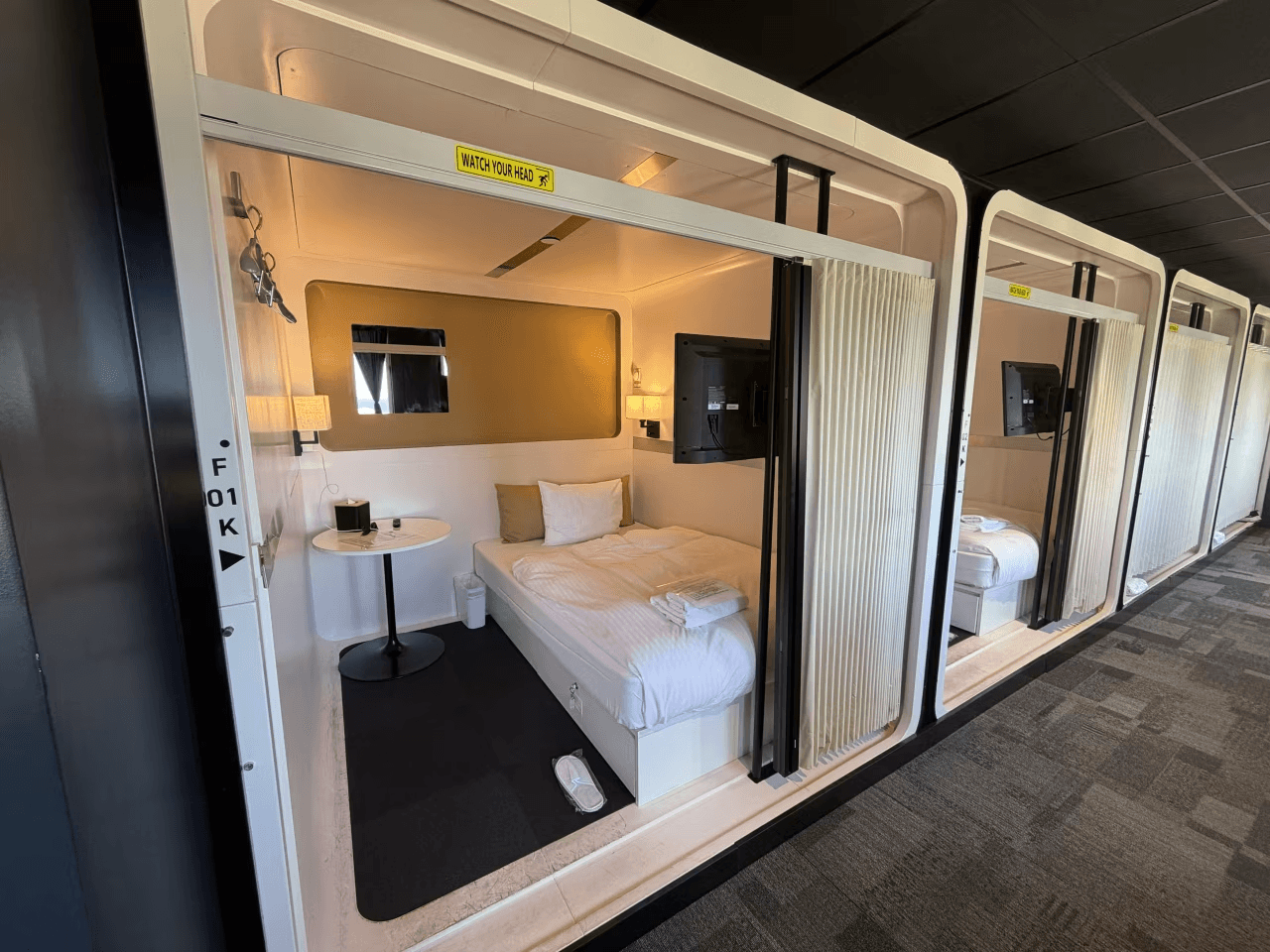
The New Paradigm in Iran’s Real Estate Market
Iran’s real estate market is facing a profound generational fracture. The traditional model of owning or renting large residential units is no longer aligned with the economic realities of Gen Z, nor with the unsustainable costs of security deposits (Rahn) and monthly rent. Current market averages have effectively pushed a large portion of the young workforce out of the formal housing sector.
The Rise of Co-living Models
Global success stories like the 'Pod-living' movement in Japan or modern co-living hubs in Europe are not mere lifestyle choices; they are logical responses to space scarcity and hyper-inflationary pressures. In Iran, while this demand is currently manifesting through informal room-sharing and outdated pension-style housing, it represents a massive, untapped market opportunity for professional developers.
Pillars of Next-Generation Development
- Micro-living Optimization: Shifting focus toward compact units (20-35 sqm) that utilize architectural intelligence to provide the functionality of larger apartments.
- Service-Oriented Infrastructure: In next-gen models, value is derived from shared amenities—co-working spaces, industrial-grade communal kitchens, and professional building management—which significantly reduce individual overhead costs.
- Tech-Driven Management: Implementing digital platforms for cost-sharing and energy efficiency, which directly lowers the 'cost-of-living' index for tenants, making the units more resilient to inflation.
The successful developer of the future in Iran is not the one who builds the largest square footage, but the one who optimizes unit size while maximizing service utility, thereby securing higher Return on Investment (ROI) through faster unit rotation and sustained tenant satisfaction.