
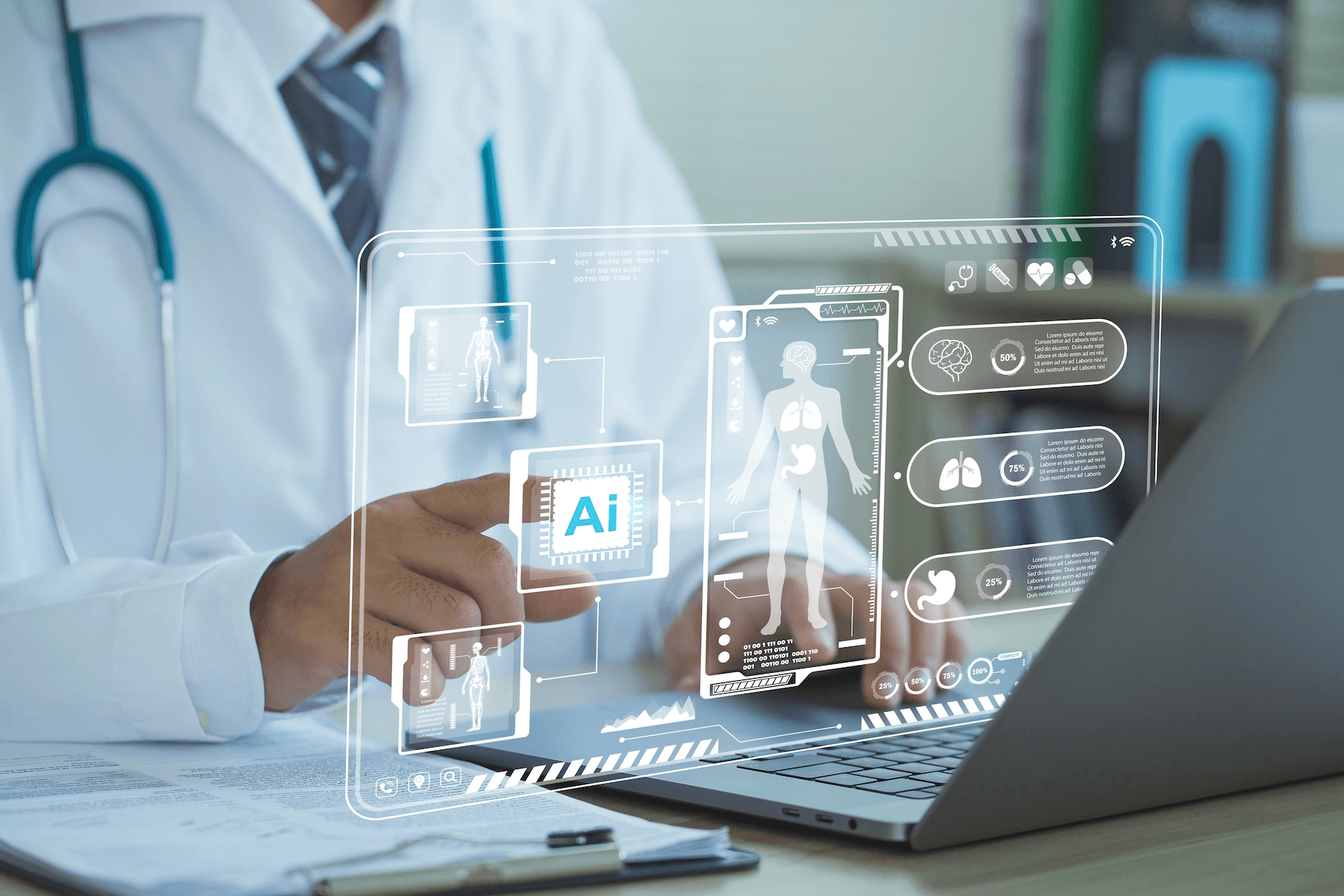
Revolutionizing Drug Discovery: From Chance to Prediction
Traditional drug discovery models, reliant on cumbersome trial-and-error processes, face failure rates exceeding 90% during clinical stages. Artificial Intelligence, leveraging Deep Learning architectures, is now capable of screening chemical molecular spaces at a velocity thousands of times faster than conventional laboratory methods.
Leading pharmaceutical firms are now deploying In Silico platforms to simulate protein-ligand interactions with high precision. This transition not only compresses the timeline to clinical trials from years to months but also optimizes operational expenditure by approximately 40%.
The Strategic Importance of Clinical Data
For the Iranian pharmaceutical industry, the pivot toward AI necessitates the development of integrated data infrastructures. Establishing national-scale databases of patient outcomes and medication histories is the prerequisite for advancing toward Personalized Medicine.
- R&D Acceleration: Implementing protein structure prediction algorithms to identify viable drug candidates.
- Supply Chain Resilience: Utilizing Big Data analytics to forecast demand surges and prevent critical shortages.
- Regulatory Compliance: Employing machine learning to automate documentation and expedite approval processes by health authorities.
AI in the pharmaceutical sector is not merely a peripheral tool; it is a structural shift that migrates the competitive advantage from "mass production capacity" to "data-driven predictive power."